
Scripted orchestration
Python, Node, or shell pipelines that respect your deployment constraints—no mystery containers unless you already run them.

Craft-led programming consulting for workflow automation—scoped builds, integration hardening, and advisory sessions from our Bangkok head office.
+66-2-000-2302Automation is not a sticker on legacy tools—it is careful wiring between APIs, queues, and the scripts your team already trusts.
We map triggers, hand-offs, and failure paths in your current stack—CRMs, spreadsheets, internal services, or vendor APIs—before writing orchestration code.
Each project engagement lists deliverables: scripts, scheduled jobs, observability hooks, and rollback steps. Advisory sessions cover architecture choices without open-ended retainers unless you request them.
Pull requests stay small; we pair on edge cases like idempotency, retries, and secrets handling rather than dumping a black-box binary.
Runbooks, environment notes, and monitoring checks land in your repository so your engineers can own the automation after sign-off.
Python, Node, or shell pipelines that respect your deployment constraints—no mystery containers unless you already run them.
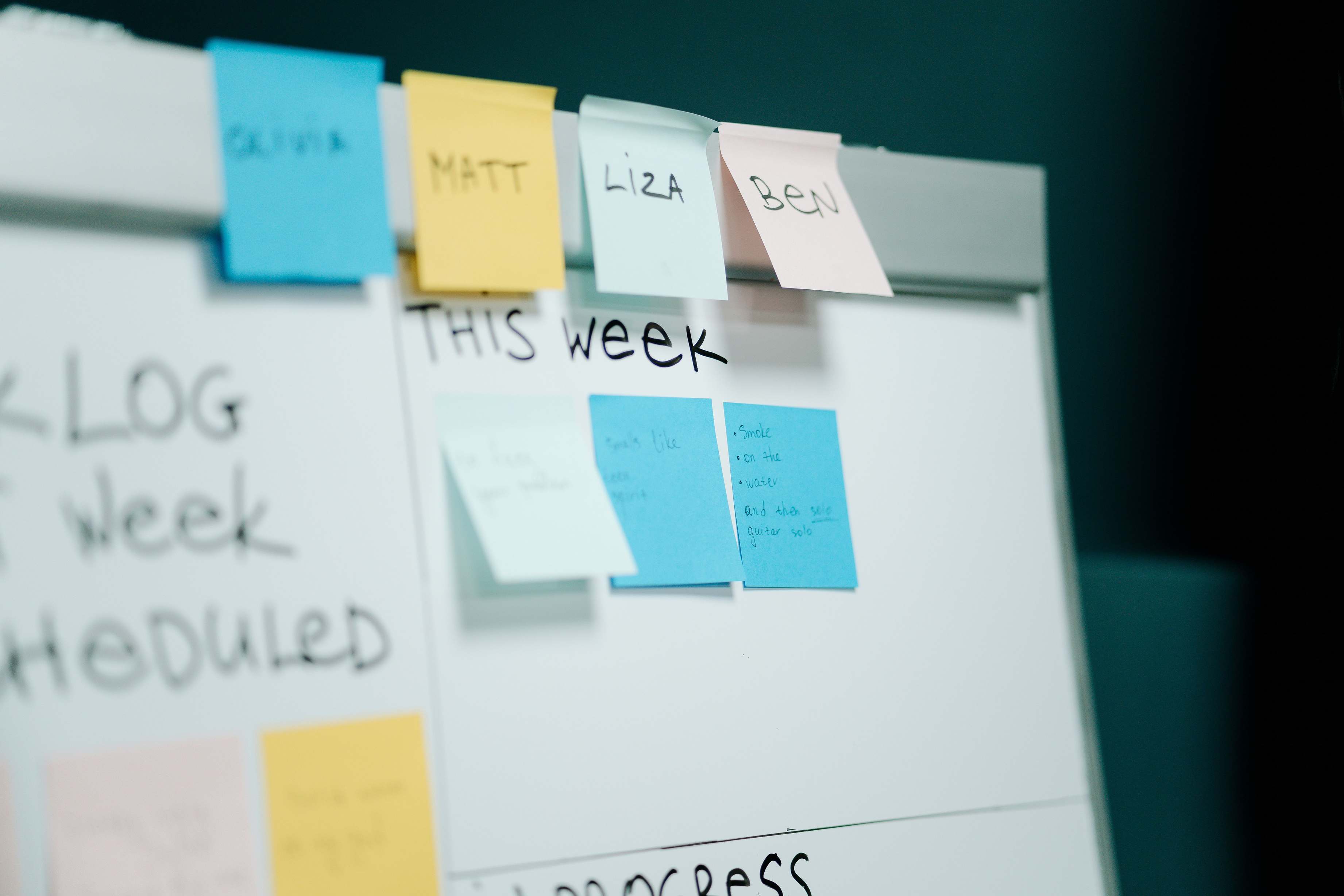
Webhook receivers, batch importers, and queue consumers drawn on the whiteboard before they touch production credentials.

ETL steps with explicit schemas, deduplication, and alerts when upstream APIs change field names without notice.

Working sessions stay small so engineers and operators can read the same diagrams and logs.
You have scripts or Zapier-style flows that broke when a vendor API changed. We refactor toward testable modules and documented failure modes.
Commercial terms are agreed per engagement. We outline effort, assumptions, and out-of-scope items before coding starts.
We start in staging, use synthetic data, and schedule advisory sessions until your security review clears broader access.